
Automation implementation failures are rarely caused by the failure of the hardware or software itself, but rather by choosing the wrong strategic partner. According to a report from McKinsey & Company, nearly 70% of digital transformation and automation initiatives in the manufacturing sector fail to reach their expected performance targets due to a lack of relevant technical expertise and poor project management. In Batam’s highly competitive industrial landscape—from Batamindo Industrial Park to Kabil Integrated Industrial Estate—the margin for error is razor-thin. A single hour of unplanned downtime on a non-optimized production line can result in financial losses of tens of thousands of dollars for electronics or semiconductor companies.
Choosing the right partner is more than just finding a vendor who can assemble a panel or write lines of PLC code. It is about finding a partner who understands the unique industrial ecosystem in the Riau Islands, which boasts global supply chains but faces local logistical challenges. Does your potential partner understand international safety standards like IEC 61511? Do they have a technical team that can be on-site within hours when your critical systems fail? Before you sign a high-value contract, you must perform deep due diligence. This article will guide you through seven critical questions you must ask any automation solution provider to ensure your technology investment provides a real and sustainable return on investment (ROI) for your operations in Batam.
1. What is Your Track Record in Hardware and Software Integration Specifically?
Many vendors in Batam claim to be automation experts, but they often excel on only one side: either purely mechanical/electrical or purely software. The problem is, modern industrial automation demands total synergy between the two. You need a partner who speaks the technical language of electricity and software architecture fluently. Ask if they have experience connecting sensors on the factory floor with top-level management systems. At PT Wahari Nawa Manunggal, we emphasize the importance of seamless Robotics & Software integration so that data from machines can be processed into valuable information for management.
Gartner statistics show that companies that adopt holistic system integration (Hardware + Software) experience operational efficiency improvements 25% higher than companies that do them separately. Ensure your partner understands communication protocols such as Modbus, OPC-UA, and Profinet. If they are confused when asked how to send data from a Schneider or Siemens PLC to a SQL database, that is a major red flag for the future of your factory digitalization.
Understanding the Technical Depth of Integration
Don't settle for generic answers like "we can do it all." Ask for real examples where they integrated a SCADA system with a corporate ERP. For example, in the Muka Kuning industrial area, a factory might need a system where energy usage monitored by electrical sensors is reported directly to our ERP Customization service for real-time production cost analysis. Technical capabilities like these distinguish between ordinary vendors and true strategic partners.
2. How Do You Handle Post-Implementation Support and Response Time in Batam?
Automation technology is not static; it requires periodic maintenance and adjustment. The biggest problem for many companies in Batam is when they use the services of integrators from out of town or abroad who do not have a local representative office. Imagine if your Solar PV control system malfunctions in the middle of the Riau Islands' extreme weather, and you have to wait for a technician from Jakarta to fly to Batam. That waiting time is pure loss. Your question must be specific: What is the maximum response time for on-site emergencies?
Having a local partner in Batam means technical support is available in the same time zone and without complicated travel constraints. A good partner will offer a clear Service Level Agreement (SLA). At PT Wahari Nawa Manunggal, as a leading Electrical Engineering service provider in Batam, we realize that speed is key. Our local team not only provides spare parts quickly through our Parts & General Supplier network, but also gives operational managers peace of mind that help is just a phone call away.
3. Are the Solutions You Offer Brand-Agnostic or Locked to a Specific Vendor?
Vendor Lock-in is a trap that business owners often don't realize. Some integrators only work with one brand of PLC or one type of software because they are official distributors chasing sales targets. However, the unique needs of your factory in Batam may require a combination of various technologies. Question whether they can work with the existing infrastructure in your factory today. The ideal automation partner should be able to provide flexible and scalable solutions.
Industry data shows that open-standard automation systems have 30% lower long-term maintenance costs than closed systems. This is because you have the freedom to source parts and support from multiple sources in the future. Ensure your partner prioritizes interoperability. For example, if you want to integrate a new Inventory Management solution with an old automatic packing machine, the partner must have the technical expertise to bridge that technology gap without forcing you to scrap your old investment.
4. What is Your Strategy for Industry 4.0 and Industrial Cybersecurity?
Automation today is no longer just about moving a robotic arm; it's about data connectivity. However, with connectivity comes cybersecurity risk. In Batam's industrial zones that handle a lot of sensitive data belonging to global clients, Industrial Cybersecurity is non-negotiable. Ask your potential partner how they secure PLC and SCADA networks from unauthorized access. Do they implement standards like IEC 62443?
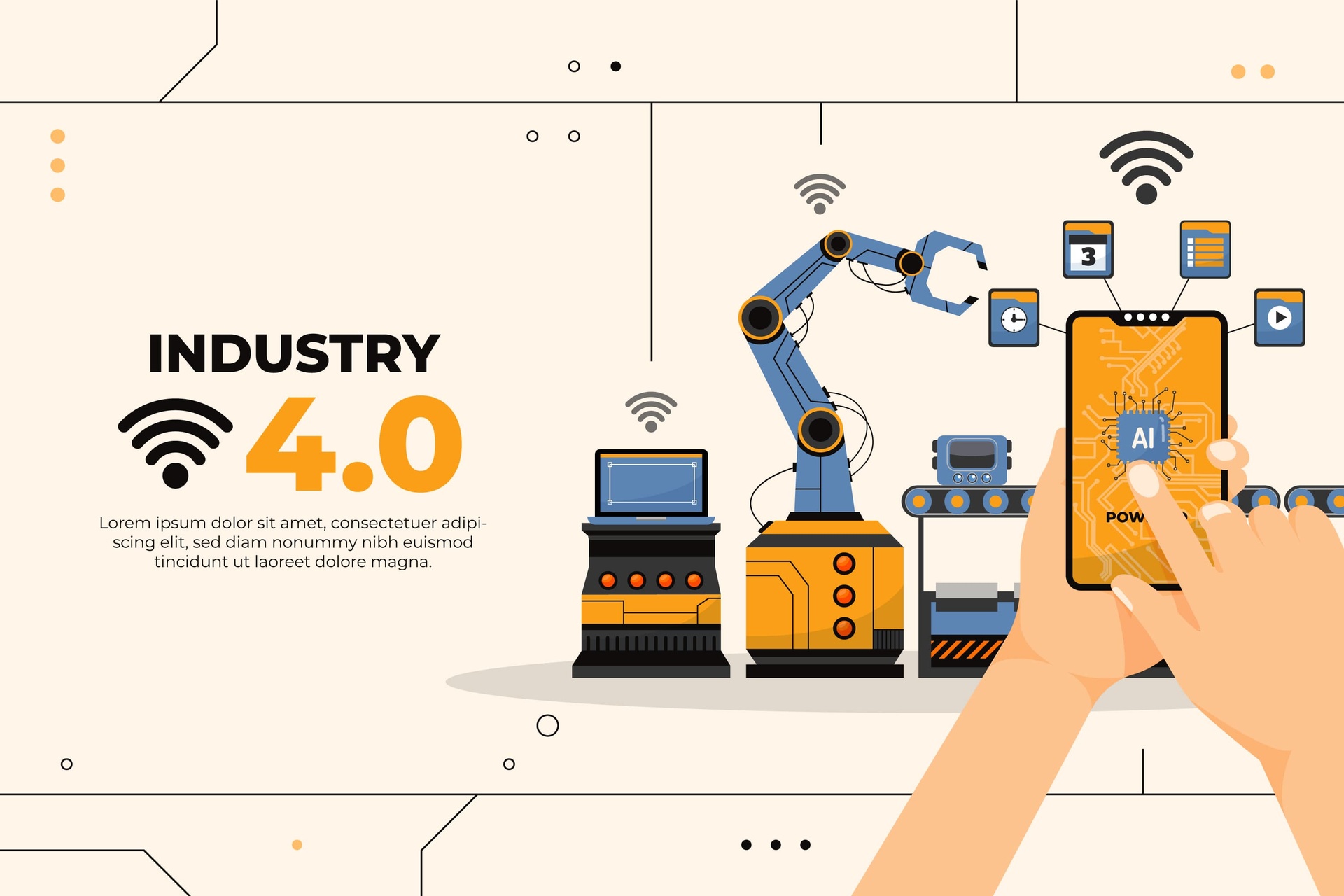
A modern automation partner must have a vision for Industry 4.0. They should be able to explain how the technology they install today—such as our Industrial Automation solutions—can be integrated with AI (Artificial Intelligence) or IIoT (Industrial Internet of Things) technologies in the future. Without this vision, the systems you build now may become obsolete in less than five years. Don't let your investment become a future burden just because of a lack of long-term technology planning.
5. Can You Provide Project References Similar to Mine in the Riau Islands Region?
Experience on paper is often different from reality on the ground. Environmental conditions in Batam—such as high humidity and salt air exposure—can affect the performance of electrical and electronic components. A partner who is experienced in handling projects in Batam will know what types of components are more durable or how to design control panels with optimal cooling. Do not hesitate to ask for reference contacts from their previous clients in areas like Tanjung Uncang or Wiraraja.
Looking at a local portfolio also helps you assess their financial stability and reputation in the eyes of local procurement. Companies like PT Wahari Nawa Manunggal have long built trust in the Batam business community because of our deep understanding of local regulations and the specific needs of the manufacturing industry here. If a vendor is hesitant to provide local references, it may indicate a lack of deep field experience in this region.
6. What is Your Project Management Methodology and Documentation?
Poor automation projects are often characterized by incomplete documentation. Imagine ten years from now when your technicians need to troubleshoot, but they don't have accurate wiring diagrams or program logic descriptions. This is a recipe for operational disaster. Question their project management methodology: How do they handle scope creep? How is the testing schedule (FAT/SAT) structured?
Complete documentation is part of your company's intellectual property. A professional partner will provide operational manuals, source code documentation, and detailed as-built diagrams. Additionally, ask if they provide training for your internal staff. The ultimate goal is not for you to be forever dependent on the vendor, but for your team to be able to operate the system independently and efficiently.
7. What Measurable Impact (ROI) Can You Promise from This Investment?
Ultimately, automation is a business decision, not just a technology experiment. A good partner will help you calculate the Return on Investment (ROI) before the project begins. How much waste reduction is expected? How much will production throughput increase? How much energy cost savings through control panel optimization? Ask for concrete data and reasonable projections.
For example, the implementation of a modern Point of Sale system in a retail unit or a factory warehouse in Batam should be proven to be able to speed up transaction times by at least 15-20%. If your partner only talks about features without being able to explain the financial benefits to your business, they may not understand your company's ultimate goal. Choose a partner who is results-oriented and willing to be held accountable for the performance of the system they build.
Frequently Asked Questions
Implementation time varies greatly depending on the complexity of the system. For medium-scale projects like control panel upgrades or energy monitoring systems, it usually takes 8 to 12 weeks. However, for large-scale system integration involving full Robotics & Software, the time required can reach 6 months or more. Logistical factors in Batam and the availability of imported spare parts also affect the work schedule.
Yes, in many cases, legacy systems can still be integrated using communication gateways or protocol converters (such as Modbus to OPC-UA). This is a cost-effective solution for industries in Batam that want to modernize without having to replace entire production machines. We often help companies integrate their old machines with digital Inventory Management solutions for better asset tracking.
Choosing a local partner in Batam provides significant advantages in terms of mobilization costs, technical response speed, and understanding of the local work environment characteristics. Furthermore, local partners like PT Wahari Nawa Manunggal have faster access to spare parts supplier networks in the Riau Islands and Singapore, which is crucial for minimizing your factory's operational downtime.
Conclusion
Choosing the right automation partner is a future investment for your business. The seven questions above are designed to help you filter out vendors who just sell products from partners who can provide real added value. Amidst the rapid development of Batam's industrial zones, having a reliable, secure, and scalable system is no longer an option, but a necessity to remain globally competitive. Don't let technical complexity hinder your operational progress.
Ready to improve your factory efficiency with the right automation technology? Don't let your operations be hampered by outdated systems. Our team of experts at PT Wahari Nawa Manunggal is ready to help you design solutions specific to your industrial needs in Batam. From system integration to technical maintenance, we are your trusted local partner. Schedule a free consultation with our team today to start transforming your business.