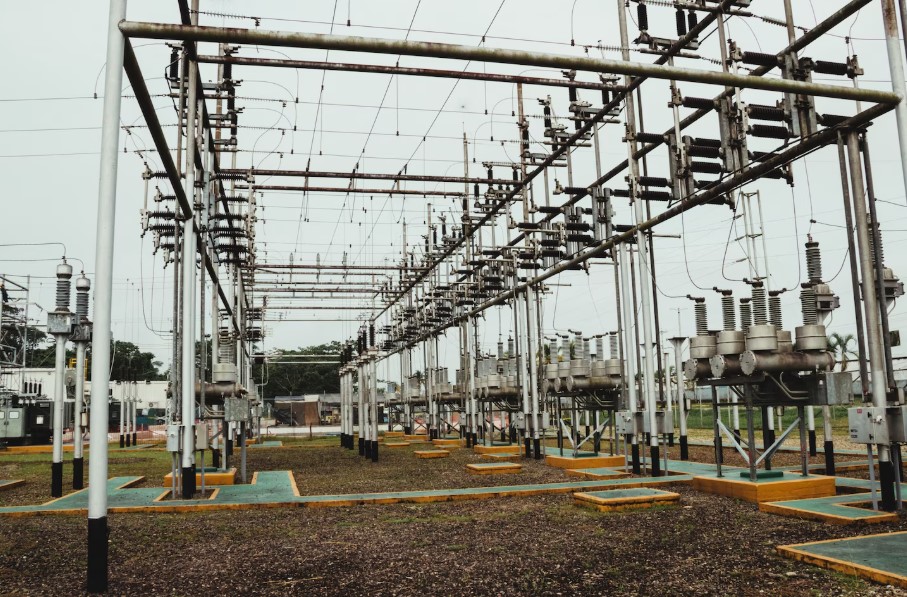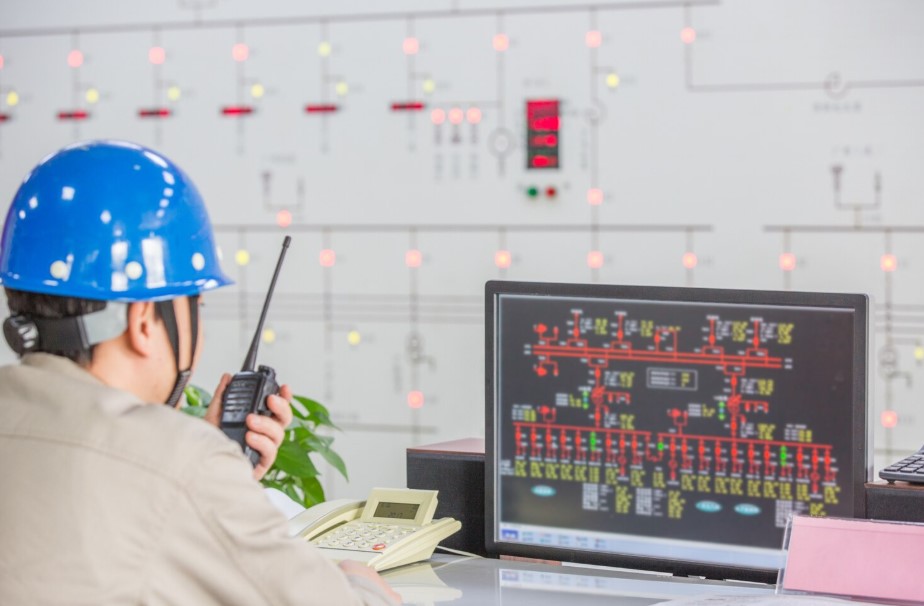

Skyrocketing operational costs due to energy waste often act as a 'silent killer' for manufacturing profitability in Batam’s industrial zones. According to reports from the International Energy Agency (IEA), energy efficiency is the "first fuel" for economic growth, yet many companies still rely on antiquated methods to track it. For decades, facility managers in Riau Islands have had to settle for manual energy audits that provide only a static snapshot once a year. However, in an increasingly competitive global market, relying on outdated data is no longer just a technical risk—it is a tangible financial threat to business continuity.
The Efficiency Gap: Why Manual Energy Audits are Failing Batam’s Manufacturers
Traditional manual energy audits involve technicians visiting a site with handheld meters, recording data from electrical panels over a specific period, and then compiling reports weeks later. In dynamic environments like factories in Muka Kuning or Batam Centre, this data is often irrelevant by the time the report is published. Statistics show that manual energy audits carry an average margin of error of 15-20% because they fail to capture load fluctuations missed by instantaneous measurements. The primary flaw of this method is its inability to detect sporadic energy anomalies, such as current leaks at midnight or load spikes during shift changes.
Imagine an electronic component factory in Batam facing a 10% monthly increase in electricity bills. With a manual audit, the maintenance team might only discover the cause—such as a leaking air compressor or an inefficient induction motor—three months after the problem started. This delay results in significant financial losses that could have been prevented with early detection. This is the core difference between being reactive and proactive. Modern industries in Batam require continuous visibility, not just expensive, time-consuming periodic visits.
Operational Weaknesses of Conventional Audits
Beyond accuracy issues, manual audits require downtime or at least disruptions to production lines as sensors are physically attached to main busbars or cables. For facilities operating 24/7 in Batam industrial parks, every minute of downtime translates to real production loss. Furthermore, reliance on human intervention increases the risk of data entry errors and workplace accidents when interacting with high-voltage panels without digitally integrated protection systems.
The Advantages of Wireless Power Monitoring in the IoT Ecosystem
Wireless power monitoring devices have transformed the energy management landscape by providing real-time data without the need for complex and costly wiring. Utilizing advanced communication protocols such as LoRaWAN, Wi-Fi, or ZigBee, these sensors can be installed at thousands of monitoring points across a factory and send data directly to a central dashboard. Based on McKinsey data, implementing IoT in industrial energy management can reduce total energy consumption by 10-20% through more precise load monitoring and automated demand response.
At PT Wahari Nawa Manunggal, we see that integrating our Electrical Engineering services with wireless technology allows companies to perform energy audits every second, not every year. These devices measure more than just kWh; they monitor power quality parameters like power factor, total harmonic distortion (THD), and voltage drops that can damage sensitive equipment. In Batam’s industrial environment, characterized by high humidity and fluctuating temperatures, power supply stability is key to preventing costly machine failures.
Key Features of Wireless Monitoring Technology:
- Non-Invasive Installation: Uses Split-Core Current Transformers (CTs) that can be installed without interrupting the power supply.
- High Scalability: Adding new monitoring points is as simple as attaching additional sensors to the existing wireless network.
- Predictive Analysis: AI algorithms can predict electric motor failures before they occur based on abnormal energy consumption patterns.
- Cloud Integration: Data is accessible anytime, anywhere via mobile devices, giving managers full control over Batam factory operations.
Technical Implementation: Protocols and Standards in Batam’s Industrial Estates
Transitioning to wireless monitoring is not just about replacing devices; it’s about building a robust data architecture. International standards like IEC 61557-12 define requirements for power monitoring devices (PMD) to ensure the resulting data is accurate and reliable for billing or optimization purposes. For companies in Batam aiming for ISO 50001 (Energy Management) certification, owning an automated monitoring system is a major asset and often a basic requirement.
The communication infrastructure behind wireless power monitoring devices must be able to handle strong electromagnetic interference in factory environments. Using the Modbus protocol converted to wireless via industrial gateways is a standard solution we implement in our Industrial Automation solutions. This ensures that data from the shop floor flows seamlessly to the company’s SCADA or ERP systems without data packet loss. With reliable connectivity, maintenance teams can set alert thresholds that automatically send notifications via email or Telegram if load anomalies occur.
Financial Impact: Turning Costs into Investments
A question frequently asked by business owners in Batam is: "How long does it take for the Return on Investment (ROI)?". Field practices show that wireless power monitoring systems typically achieve ROI within 6 to 12 months. These savings come not only from reduced electricity bills but also from lower emergency maintenance costs and extended technical lifespan of industrial equipment. With accurate data, companies can identify "phantom loads"—equipment that continues to consume power while not in use.
For example, a plastic manufacturing facility in Batam saved IDR 150 million per year simply by adjusting chiller machine operating schedules based on peak load data detected by the monitoring system. Without wireless devices, this load pattern would never have been visible in a conventional manual energy audit that only records total daily consumption. This is the essence of the Robotics & Software integration we offer, where physical data is transformed into profitable strategic decisions.
Frequently Asked Questions
Yes, industrial-grade monitoring devices use protocols like LoRaWAN or ZigBee, specifically designed for high-interference environments. These technologies feature frequency hopping and high-level data encryption to ensure signals remain stable and secure even amidst heavy machinery in Batam industrial zones.
Since it uses wireless technology and non-invasive sensors (without cutting wires), installation for 20-30 monitoring points can typically be completed within 2-3 business days without needing a total power shutdown. This is significantly faster than traditional wired system installations.
Absolutely. Through API integration, energy consumption data can flow directly into Odoo ERP’s manufacturing or costing modules. We at PT Wahari Nawa Manunggal specialize in our ERP Customization services to connect shop-floor hardware with your office management system.
Conclusion
The shift from manual energy audits to wireless power monitoring is not just a technology trend; it is a mandatory evolution for Batam industries wanting to remain competitive. With real-time data, high accuracy, and ease of installation, these devices offer unprecedented control over a company's largest operational cost: energy. The decision to adopt this technology now will determine your business efficiency and resilience in the future.
Don't let energy leaks erode your profit margins. Our expert team at PT Wahari Nawa Manunggal is ready to help you design a smart and efficient energy monitoring system tailored to the specific needs of your facility in Riau Islands. Get a free consultation with our team today and start your factory’s digital transformation toward sustainable Industry 4.0.