
The rising cost of industrial electricity in Batam is no longer just an issue; it is a fixed cost variable that continues to squeeze manufacturing profit margins. Amid global pressure for decarbonization and the demand for operational efficiency, the implementation of a Solar PV System for Industrial Facilities has transformed from a mere green trend into a strategic financial instrument. For factory managers in the Batamindo or Kabil Industrial Estates, the big question is no longer "should we switch?" but rather "how much capacity do we need and when will this investment pay for itself?"
Sizing Your Industrial Solar PV System: Determining Precise Capacity
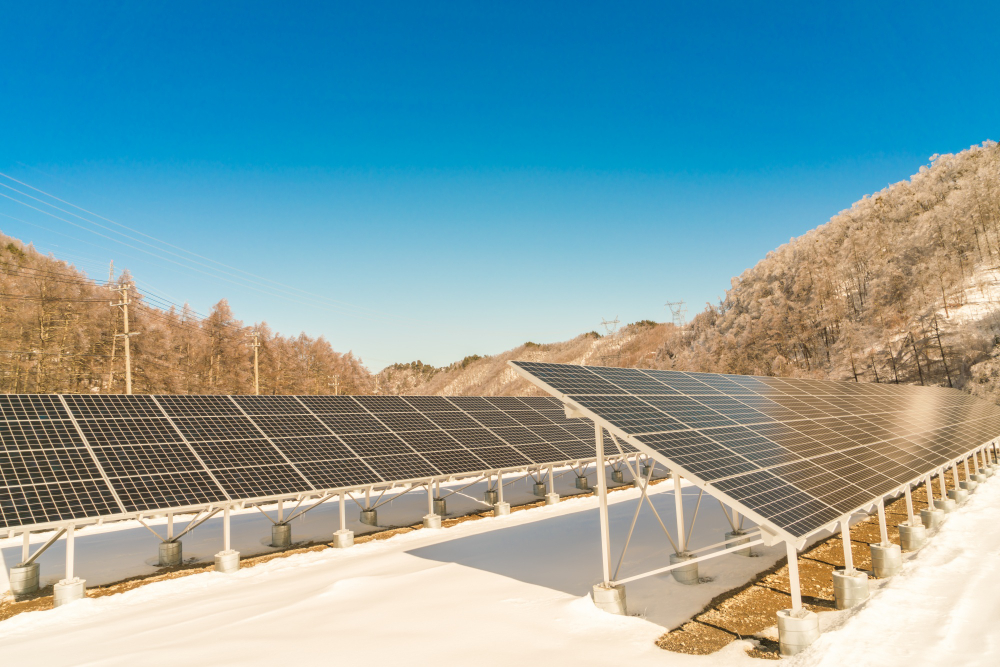
Sizing a Solar PV system is not simply about covering the entire factory roof with blue panels. An overly aggressive approach can lead to wasted capital expenditure (CAPEX), while a system that is too small will not have a significant impact on reducing electricity bills. Data from the International Renewable Energy Agency (IRENA) shows that properly optimized systems can reduce energy costs by up to 30% for manufacturing facilities.
In the context of the Batam industry, the first step in sizing is analyzing the 24-hour electricity load profile. Given that most industries in the Riau Islands operate with night shifts, synchronizing peak energy production during the day with operational loads is crucial. Technical parameters to consider include:
- Peak Sun Hours (PSH): Batam has an average PSH of approximately 4.2 to 4.8 hours per day. This figure serves as the basis for calculating annual energy yield.
- Roof Capacity and Structure: Factories in Batam typically use metal deck roofs. A structural audit is necessary to ensure the roof can withstand an additional load of approximately 15-20 kg/m² from the solar modules and mounting system.
- Module Efficiency: Using Tier-1 technology such as monocrystalline PERC with efficiency above 20% is the current industrial standard to maximize output on limited space.
Successful implementation often involves integration with professional Electrical Engineering services to ensure harmonization between the solar system and existing control panels. At PT Wahari Nawa Manunggal, we utilize simulation software like PVsyst to project energy production with high accuracy, minimizing the risk of undersizing or oversizing.
Cost Breakdown: Understanding the Investment Structure for Industrial Solar PV
The cost of installing a Solar PV System for Industrial Facilities in Indonesia has dropped by more than 60% over the last decade. However, for business owners in Batam, the cost structure must be transparently dissected to avoid hidden costs. Generally, a solar investment is divided into two main components: CAPEX and OPEX.
CAPEX (Capital Expenditure) includes the procurement of main equipment and installation services. In Batam's industrial zones, the average cost for an industrial-scale system ranges from IDR 12 million to IDR 15 million per kWp (Kilowatt-peak), depending on the installation complexity and the component brands chosen. Key cost components include:
- Solar Panels (40-50%): Investing in high-quality panels with a 25-year performance warranty is a must.
- Inverters (10-15%): The brain of the system that converts DC current to AC. The use of string inverters or central inverters must be tailored to the system's capacity.
- Balance of System / BoS (15-20%): Includes DC/AC cabling, mounting systems (typically using anti-corrosive aluminum for Batam's coastal climate), and lightning protection.
- Integration & Licensing (10-15%): Including the processing of SLO (Operational Feasibility Certificate) and integration with the PLN Batam grid system.
It is vital to choose a partner who also acts as a reliable Parts & General Supplier to ensure long-term spare part availability. The initial investment may seem large, but with a system lifespan of over 25 years, the cost per kWh produced is significantly lower than conventional grid electricity rates.
ROI Analysis: Calculating the Payback Period in Batam's Industry
For a CFO or Operations Manager in Batam, Return on Investment (ROI) is the deciding metric. The financial benefits of a Solar PV System for Industrial Facilities come not only from monthly bill savings but also from increased property value and potential tax incentives. Based on current industrial electricity tariffs (B'right PLN Batam), the average Payback Period for a solar system in Batam is in the range of 5 to 7 years.
Let's look at a real-world scenario. A factory in Muka Kuning with a 500 kWp system installation can produce approximately 650,000 - 700.000 kWh per year. Assuming an average electricity cost saving of IDR 1,200 per kWh, the factory can save approximately IDR 780 million to IDR 840 million per year. With a total initial investment of around IDR 6 billion, the break-even point would be reached in less than 7 years. After that period, the energy generated is pure profit for the company.
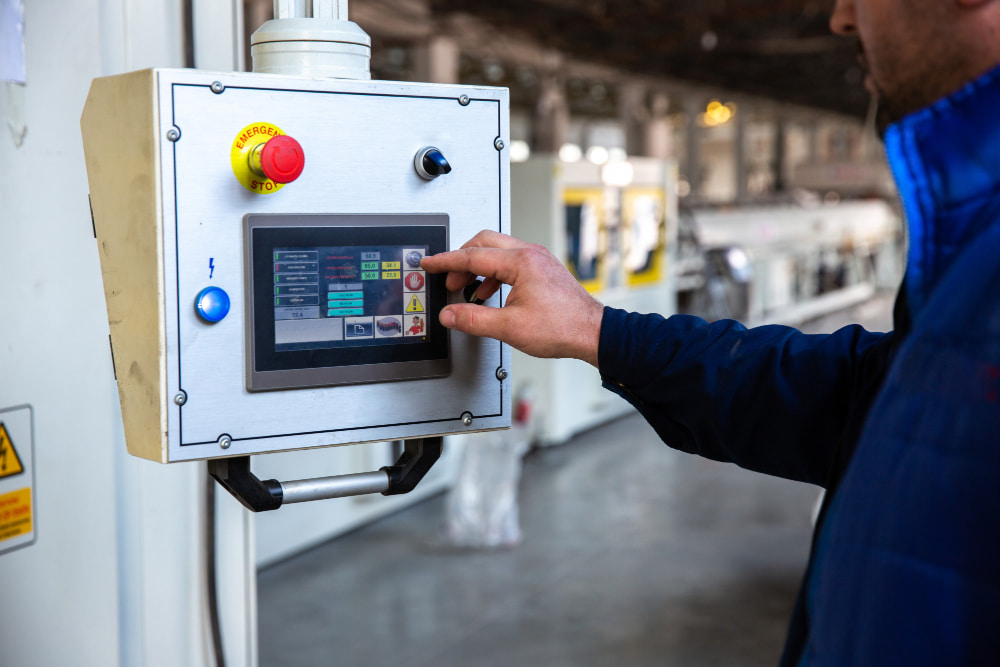
Furthermore, integration with Industrial Automation solutions allows for real-time energy monitoring. By monitoring consumption through a SCADA system, management can shift heavy workloads to peak solar production hours, which effectively increases ROI even faster. This step also strengthens the company's position in meeting Environmental, Social, and Governance (ESG) standards, which are now a prerequisite for many international clients in Batam.
Technical Aspects and Maintenance: Ensuring Reliability in Industrial Environments
Batam is an archipelagic region with high humidity and exposure to salty air. These conditions demand stricter technical standards for a Solar PV System for Industrial Facilities. The use of materials with high corrosion resistance (such as Anodized Aluminum or 304/316 Stainless Steel) for the mounting system is non-negotiable. Additionally, electrical protection systems must follow IEC (International Electrotechnical Commission) standards to prevent damage from power surges or lightning.
Maintenance for industrial solar systems is actually relatively minimal but very much determines energy output. Industrial dust from neighboring factory activities in industrial parks can accumulate on the panel surface (soiling effect) and reduce efficiency by 10-15%. Therefore, a routine cleaning schedule and thermographic inspections using drones or IR cameras are highly recommended to detect hotspots on solar cells.
At PT Wahari Nawa Manunggal, we offer solutions that include Robotics & Software integration for performance monitoring. With dashboards accessible via mobile apps, factory maintenance teams can see the system status instantly and receive alerts if abnormal performance drops occur. System reliability is key to ensuring that your solar investment continues to generate economic value without operational interruptions.
Frequently Asked Questions
Typically, Tier-1 solar panels come with a 10-12 year product warranty and a linear performance warranty of up to 25 years (ensuring output remains above 80%). For inverters, the standard warranty usually ranges from 5 to 10 years. PT Wahari Nawa Manunggal also provides after-sales support to ensure your system operates optimally throughout its technical lifespan.
Yes, solar panels still generate electricity during cloudy weather by utilizing diffuse solar radiation. However, production will be lower compared to sunny days. In our design calculations, seasonal weather factors in the Riau Islands are included in the annual energy yield estimates so that financial projections remain realistic.
Based on the latest regulations (MEMR Regulation No. 2 Year 2024), the export-import scheme (net-metering) has been abolished for new customers. The primary focus of solar implementation now is self-consumption to reduce the cost of purchasing electricity from the grid. Our sizing strategy is tailored to these regulations to maximize efficiency without relying on grid sales.
Conclusion
Adopting a Solar PV System for Industrial Facilities is a smart strategic move for companies in Batam looking to secure long-term energy costs. With a deep understanding of proper sizing, cost transparency, and realistic ROI calculations, the transition to renewable energy is no longer a burden but a competitive advantage. Amidst global industrial challenges, energy efficiency is the key to business resilience.
Ready to reduce your factory's operational costs in Batam? Our team of experts at PT Wahari Nawa Manunggal is ready to assist you from the initial energy audit to comprehensive Solar PV system installation. Don't let electricity bills erode your profits — contact us now for a free consultation and feasibility study of a solar system at your facility.