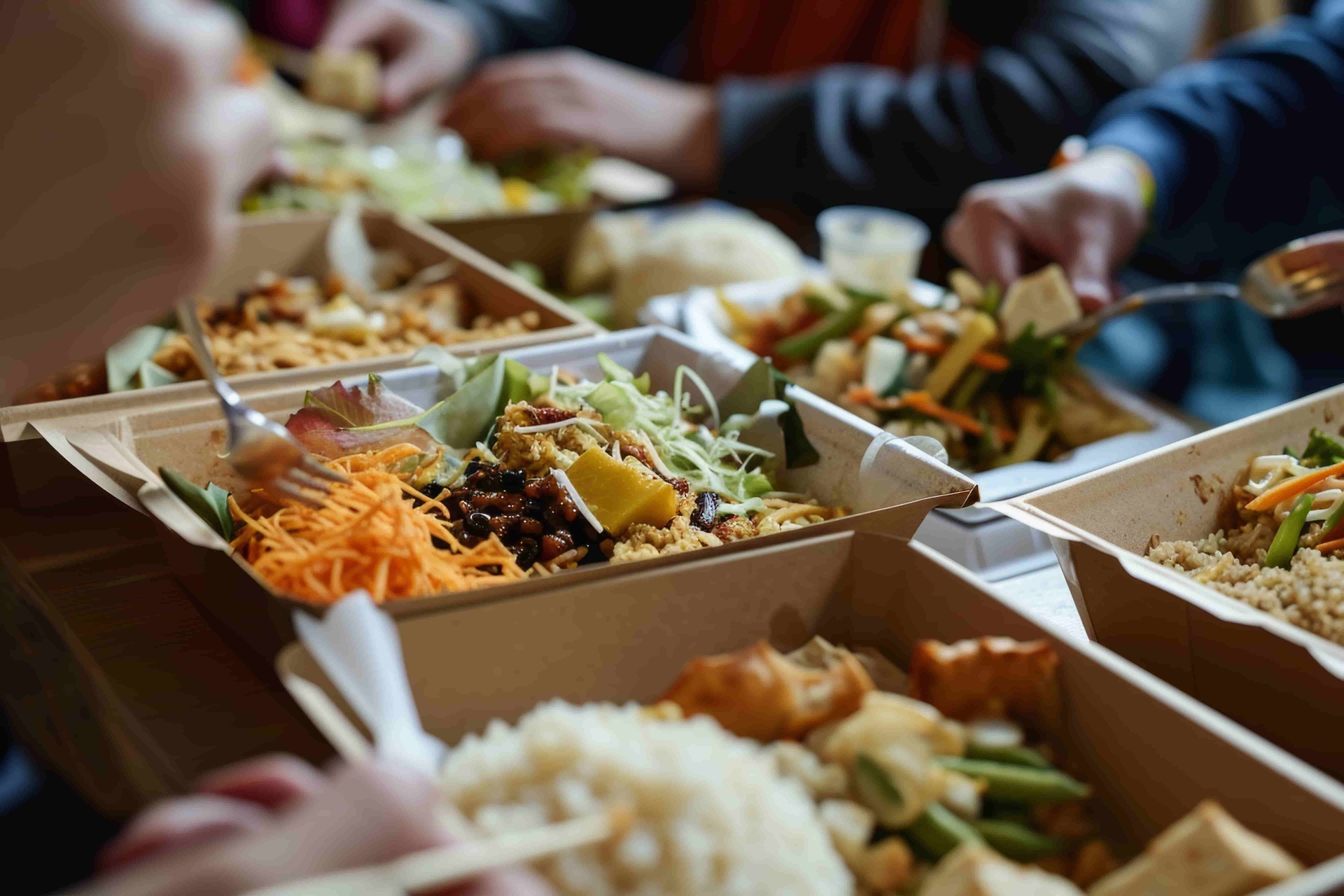

A 15% to 20% stock leakage is often dismissed as a 'normal operating cost' by restaurant owners in Indonesia, when in fact, such figures indicate a systemic failure that can cripple a business long-term. In the fiercely competitive culinary landscape of Batam—ranging from aesthetic cafes in Batam Centre to bustling seafood restaurants along the Riau Islands coastline—efficiency is no longer an option; it is a prerequisite for survival. Operational challenges like incorrect orders, long checkout queues, and inaccurate financial reports often stem from inadequate point-of-sale software.
Choosing the right F&B POS system in Indonesia requires a deep understanding of the local ecosystem. You don't just need a digital cash register; you need a command center that integrates inventory management, customer relations, and tax compliance into a single platform. PT Wahari Nawa Manunggal stands as a technology partner that understands the dynamics of the Batam industrial zone, providing solutions specifically designed to handle the complexities of modern culinary businesses. Before you invest in new technology, ensure the system you choose possesses these seven crucial features.
1. Real-Time Inventory Management with FIFO Method
One of the primary reasons for F&B business failure is poor raw material management. Data from industry reports indicate that food waste can slash profit margins by up to 30%. A sophisticated Point of Sale system must be able to track every gram of raw material coming in and out in real-time. In the Batam industrial area, where food supply chains often involve inter-island logistics or imports, data accuracy is vital.
Your system must support the First In, First Out (FIFO) method and provide automated low-stock alerts when inventory reaches minimum levels. Utilizing our Inventory Management solution integrated with POS allows operational managers to perform stocktakes without having to close the shop. With this integration, every menu item sold will automatically deduct raw material stock based on pre-set recipes (Recipe Management) within the system.
2. Digital Payment Integration (QRIS and E-Wallets)
Indonesia is undergoing a digital payment revolution. According to Bank Indonesia data, QRIS transactions in the Riau Islands continue to rise sharply alongside the digitalization of MSMEs. For F&B businesses in Batam that frequently serve international tourists and professional workers in industrial zones, providing various payment options is mandatory. Your POS system should not be limited to cash transactions.
Digital payment integration features should include dynamic QRIS, credit cards, debit cards, and popular e-wallets like GoPay, OVO, and ShopeePay. The main advantage of direct integration (integrated payment) is the elimination of human error when manually entering amounts into EDC machines. Through a modern Point of Sale system, transaction status will be updated automatically after a successful payment, speeding up the checkout process and improving the customer experience.
3. Offline Mode for Unstable Connectivity
While the internet infrastructure in the Batam industrial zone is quite advanced, connection disruptions can still occur. Imagine if your restaurant is full during the lunch rush, and suddenly the internet connection drops. If your POS system is entirely cloud-dependent without an offline mode, your entire operation will be paralyzed instantly. This is a nightmare scenario for any restaurant manager.
A reliable POS system must have the capability to continue processing transactions while offline. Transaction data is stored locally on the device and will automatically sync to the central server as soon as the connection is restored. This capability ensures that your business doesn't lose a single rupiah in revenue due to technical issues from the internet service provider.
4. Table Management and Kitchen Display System (KDS)
In F&B operations, communication between servers and the kitchen is the most error-prone point. Swapped orders or delayed cooking are often caused by unorganized manual ticket systems. Modern POS systems must feature Table Management, allowing servers to visually monitor the status of every table (empty, reserved, or dining).
Furthermore, integration with a Kitchen Display System (KDS) replaces conventional kitchen printers. The KDS displays orders directly on a kitchen monitor with wait-time indicators. This helps chefs prioritize orders based on entry sequence or complexity. For the Batam industry, which prioritizes speed and precision, digitalizing the kitchen workflow is a major step towards service professionalism. This integration can also be further enhanced through Robotics & Software integration for higher automation in the future.
5. Customer Loyalty Management (CRM)
The cost of acquiring a new customer is significantly higher than retaining an existing one. Amidst the mushrooming culinary options in the Riau Islands, customer loyalty is an invaluable asset. Customer Relationship Management (CRM) features within the POS allow you to record customer profiles, transaction history, and menu preferences.
With this data, you can launch loyalty point programs, birthday discounts, or special promos for their favorite dishes automatically. A smart POS system can provide analysis on who your loyal customers are and when they last visited. This data-driven strategy is highly effective for increasing retention rates and ensuring your business remains the top choice for residents and workers in Batam.
6. Financial Reporting and Deep Sales Analytics
You cannot manage what you cannot measure. Without accurate reports, F&B business owners are walking in the dark. A POS system must be able to generate daily, weekly, and monthly sales reports automatically. This feature must include Best-Selling Items analysis to identify which menu items are most profitable and which are burdening production costs.
For more complex needs, you can leverage our ERP Customization services based on Odoo to integrate POS with a full accounting module. Consequently, profit and loss statements, balance sheets, and cash flow reports can be generated with a single click, without the need for time-consuming and error-prone manual recapitulation. Tax compliance, such as VAT (PPN) and restaurant tax, should also be calculated automatically according to Indonesian tax regulations.
7. Scalability and Multi-Outlet Integration
Every business owner has ambitions for expansion. If you only have one outlet in Nagoya today, you might open branches in Batamindo or even outside the city next year. The POS system you choose must support scalability—meaning it must be able to manage multiple outlets under a single central admin account (Centralized Management).
This feature allows you to monitor the performance of all branches from anywhere via smartphone. You can change menu prices across all outlets simultaneously, perform stock transfers between branches, and compare performance between outlets in one dashboard. Without scalability, business expansion will become a heavy administrative burden. This is why choosing a technology partner capable of providing integrated technology solutions like PT Wahari Nawa Manunggal is vital.
Frequently Asked Questions
Yes, the modern POS systems we offer can be integrated with various third-party delivery platforms (GrabFood, ShopeeFood, GoFood) via API. This integration allows all online orders to go directly to your POS dashboard without needing manual input, reducing the risk of errors and speeding up the food preparation process in the kitchen.
Investment costs vary widely depending on the number of outlets, the complexity of the features required (such as inventory or ERP modules), and the hardware used. We offer flexible solutions, ranging from SaaS subscription schemes to full customization according to your business budget. Please contact our team for a quote tailored to your specific needs.
As a Batam-based company, PT Wahari Nawa Manunggal provides the advantage of responsive local technical support. We provide regular maintenance services and emergency assistance, both remotely and through on-site visits throughout the Riau Islands. We understand that in the F&B business, time is money, and we are committed to keeping your system running 24/7.
Conclusion
Choosing an F&B POS system in Indonesia is not just about buying software; it's about building a foundation for your business growth. From tight inventory management to the ease of digital payments, every feature plays a crucial role in enhancing operational efficiency and customer satisfaction. For culinary entrepreneurs in Batam, the right technology integration is the key to competing healthily and professionally. Do not let manual operations hinder your restaurant's vast potential. With the seven essential features above, you are one step ahead in securing your business's future in this dynamic market.
Are you ready to transform your restaurant operations into a smarter, more profitable venture? Don't let technical doubts hold you back. Our team of experts at PT Wahari Nawa Manunggal is ready to help you design and implement the POS system that best fits your unique business characteristics. Contact us today for a free consultation with our team and discover how our technology solutions can take your business to the next level in Batam and beyond.